

The Case of the Neon Teapot
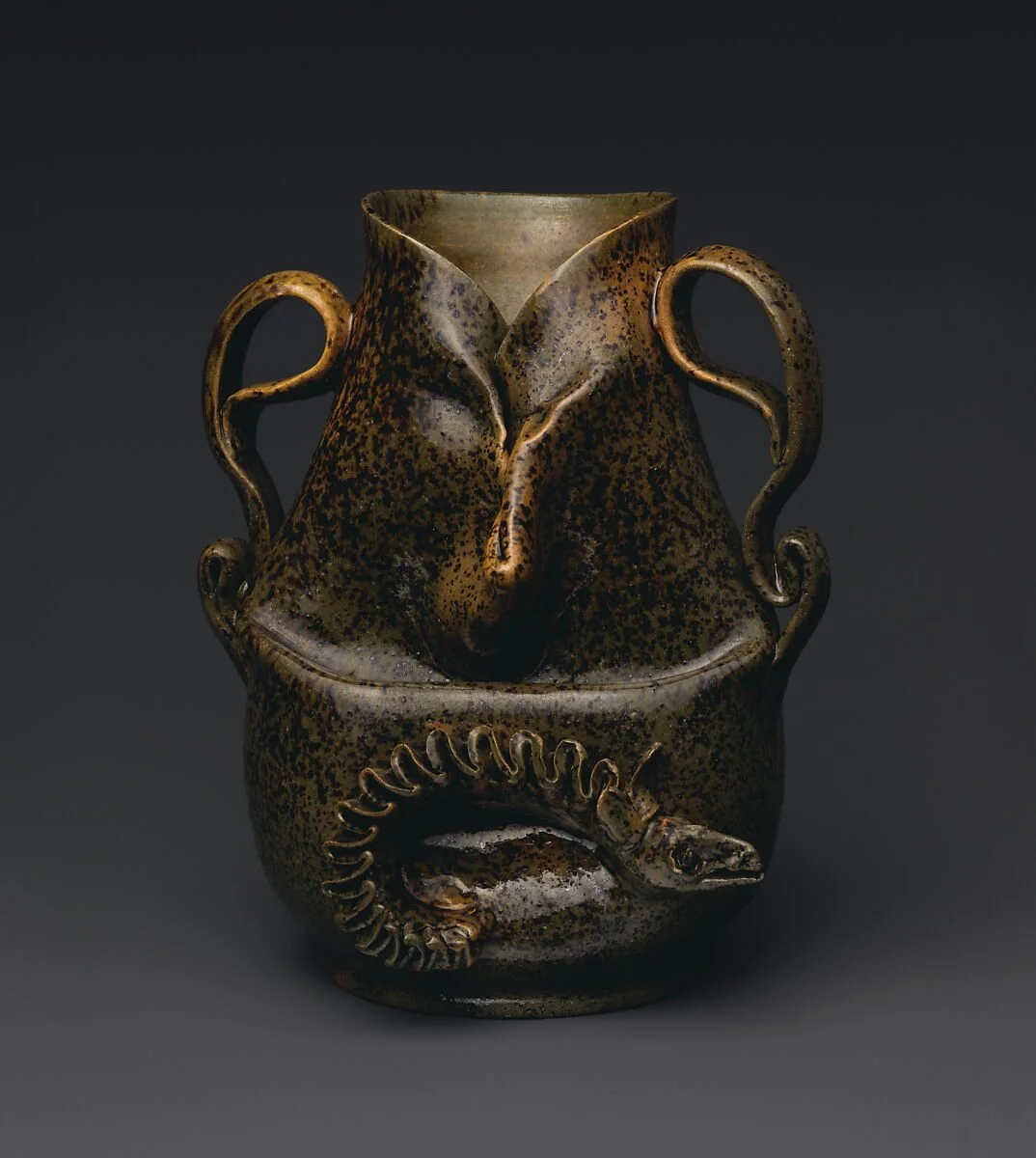
A visitor in a ceramic supply store questions why pottery glazes are limited to earth tones instead of modern neon colors like those found in paint or industrial products. Through a conversation with experienced potters, she learns that ceramic color is not simply applied but formed through complex glaze chemistry and extreme kiln temperatures, where minerals such as iron, copper, and cobalt transform into stable glass-like surfaces.
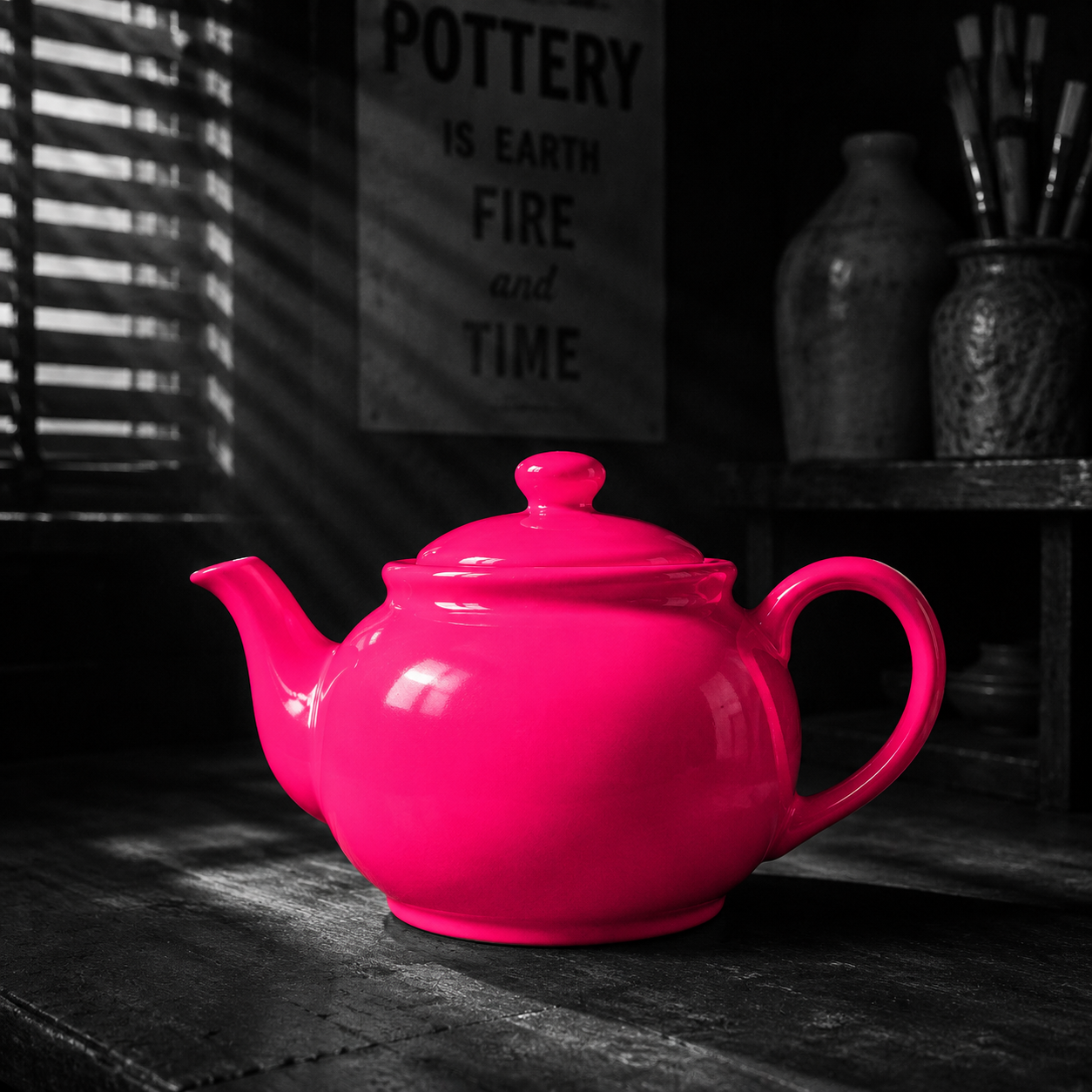
The discussion reveals why true neon pigments cannot survive the high firing temperatures required for ceramics, as fluorescent compounds break down under heat. A viral image of a “neon teapot” is introduced as evidence, only to be debunked as spray paint rather than kiln-fired glaze, highlighting the difference between surface decoration and true ceramic transformation.
Ultimately, the story reframes pottery as a material-driven art form rooted in geology and chemistry, where color is determined by what can withstand fire rather than what is visually possible, emphasizing the enduring relationship between clay, minerals, and kiln science.

What to Expect Your First Time on the Pottery Wheel
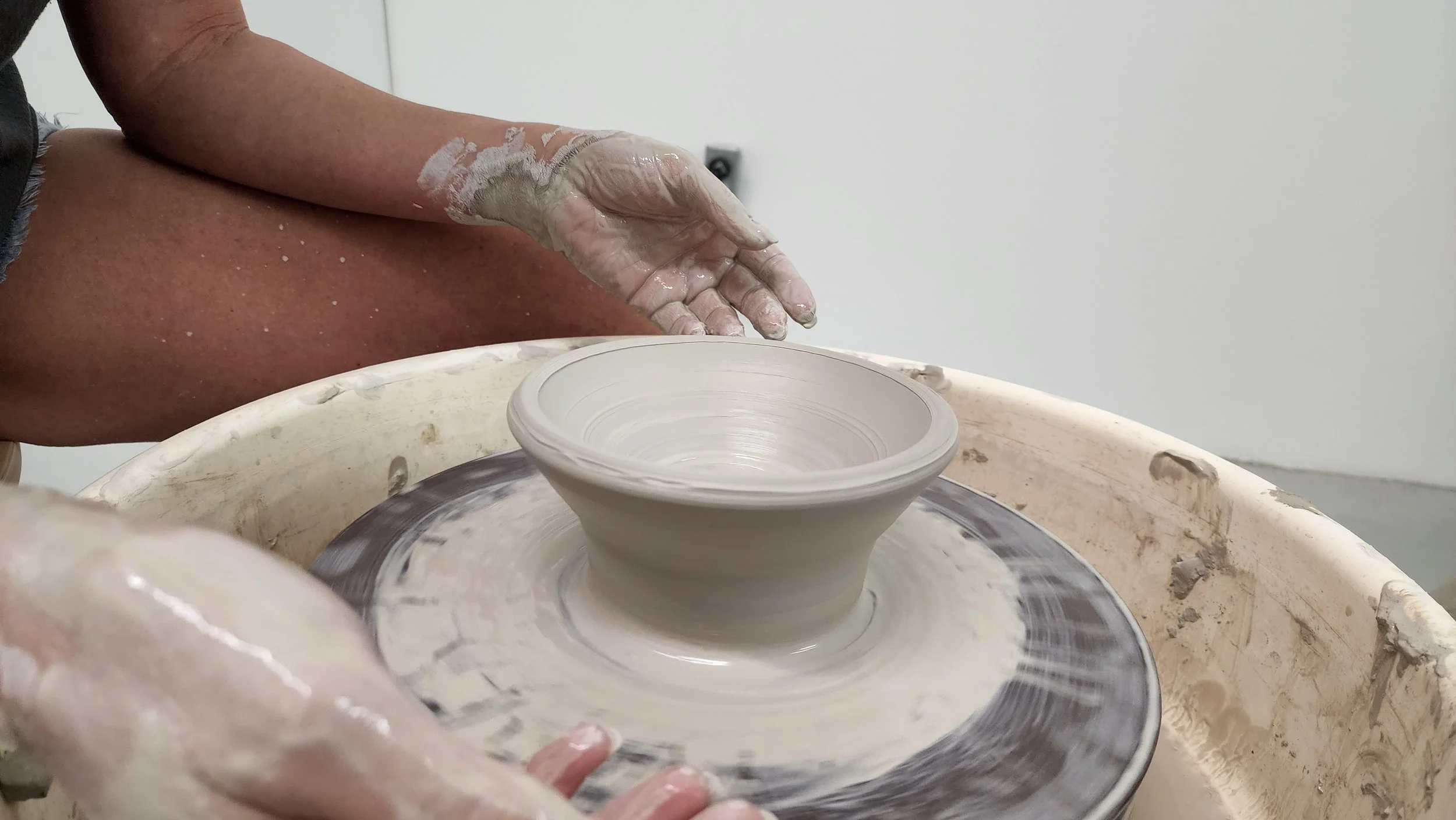
Everyone comes to their first pottery class with a theory about how it's going to go. Maybe you've seen the videos — the ones where a lump of clay rises effortlessly into a bowl in about forty-five seconds, set to lo-fi music. Maybe you've been meaning to try it for years and finally booked the class. Either way, the wheel has a way of resetting expectations quickly. Here's what actually happens when a beginner sits down for the first time.
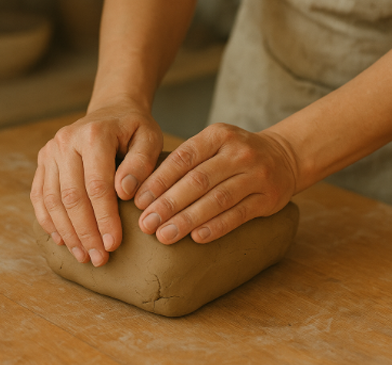
What I learned Day One about wedging clay.
Day one I learn to wedge clay — and discover why this simple, often overlooked step can make or break your pottery. In this beginner-friendly guide, I share my first experience with wedging clay, the mistakes I made, and how air bubbles nearly ruined my pots. Along the way, you’ll learn when to wedge clay, why it’s essential for consistency, and how techniques like the ram’s head and spiral wedge help prevent cracks and explosions in the kiln. Wedging isn’t just preparation — it’s a mindful ritual that strengthens both clay and potter. Whether you’re new to ceramics or refining your skills, this narrative-style tutorial explains how to wedge clay properly and why it matters.

What Are Mason Stains? A Quick Guide for Pottery People
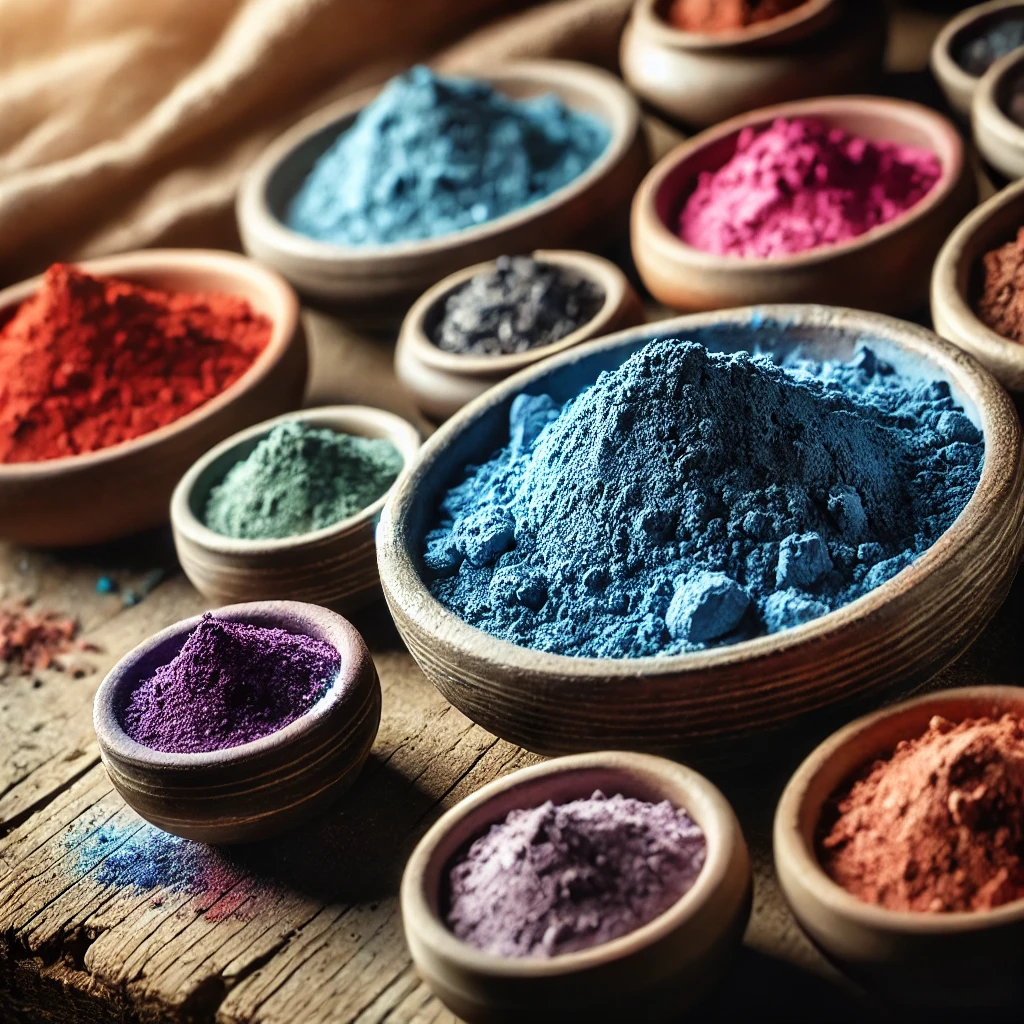
Here's an image of various ceramic pigments in powdered form, showing a range of vibrant colors. This should give a great visual representation of mason stains and their versatility!